

The UK energy sector in 2026 will be defined by rapid expansion, intense competition for skilled workers, and a sharp focus on delivery.
With the government’s 2035 clean power target now locked in, 2026 sits at a critical midpoint.
Offshore wind investment is rebounding after the 2023 auction setback, energy storage is scaling at record pace, nuclear is at peak construction, and the grid is undergoing the biggest transformation in decades.
For hiring managers and senior professionals, 2026 will be a year when projects meet reality, and having the right people in place will determine success or failure.
This outlook covers what lies ahead across conventional power, renewables (offshore wind, onshore wind, solar, BESS and storage), and nuclear.
We’ll examine policy shifts, project pipelines, grid challenges, technology trends, and most critically, the workforce implications. Whether you’re planning your next career move or building a team to deliver major infrastructure, understanding these dynamics is essential.
Policy and Market Signals Shaping the UK Energy Sector in 2026
Government policy decisions through 2024 and 2025 have set the trajectory for 2026.
The most significant shift came after the 2023 Contracts for Difference (CfD) auction delivered zero offshore wind bids, an outcome that sent shockwaves through the industry, as highlighted in an ORE Catapult blog.
In response, the government raised strike price caps to £113/MWh for fixed offshore wind and introduced 20-year contracts, up from the previous 15-year terms.
The result is a revived pipeline, with up to £53 billion in private investment expected to flow into offshore wind projects through the Allocation Round 7 auction process, according to WindEurope.
The Capacity Market continues to secure flexible generation and storage to balance the grid.
The 2025/26 T-1 auction procured 7.9 GW, including 725 MW of new-build battery capacity, with nuclear providing 3.6 GW and gas contributing 2.4 GW, according to a Montel Energy review of the auction results.
For hiring managers, this policy certainty enables steady recruitment rather than boom-bust cycles. Annual CfD rounds and capacity auctions mean developers and operators can plan workforce growth with greater confidence, reducing the risk of sudden hiring freezes or project cancellations that plagued the sector in previous years.
Project Pipelines and Investment Outlook for 2026
By 2026, the UK will be building energy infrastructure at a scale not seen in decades.
Offshore wind remains the flagship, with approximately 3.8 GW of capacity under construction due for completion in 2025 and 2026, according to analysis from Energy-storage.news.
Major schemes like Dogger Bank and Moray West will add gigawatts of clean capacity, directly creating thousands of jobs in installation, commissioning, and O&M.
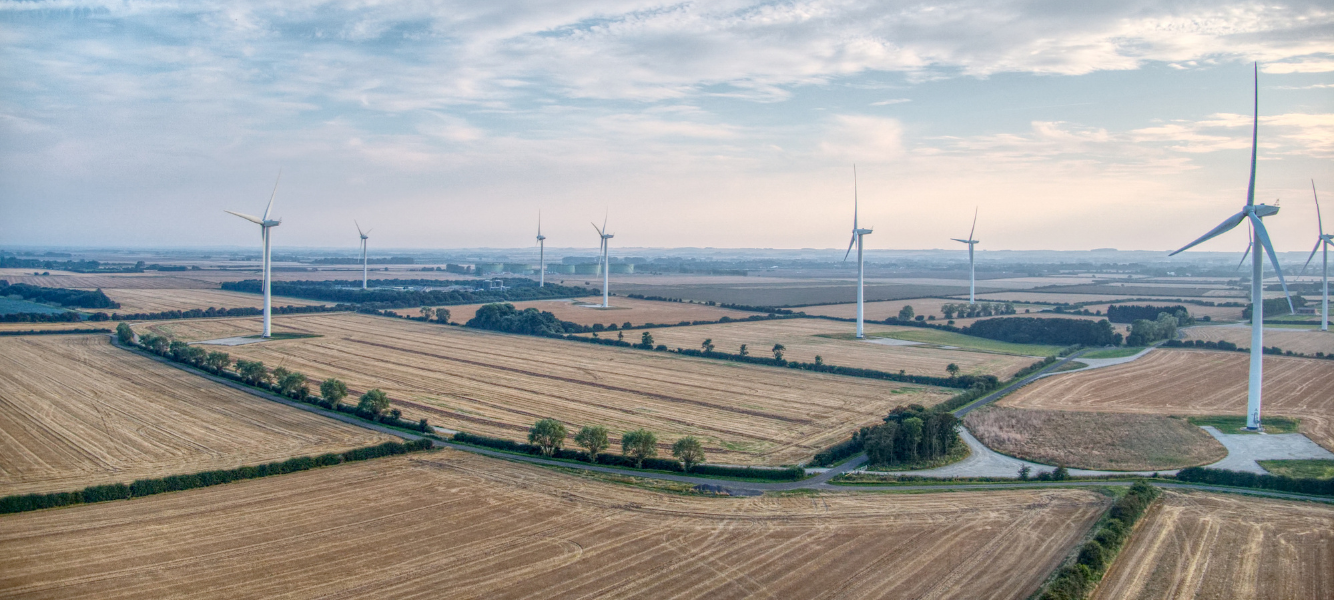
Onshore wind is also seeing renewed momentum following eased planning restrictions in England, with developers preparing sites for late-decade build-out.
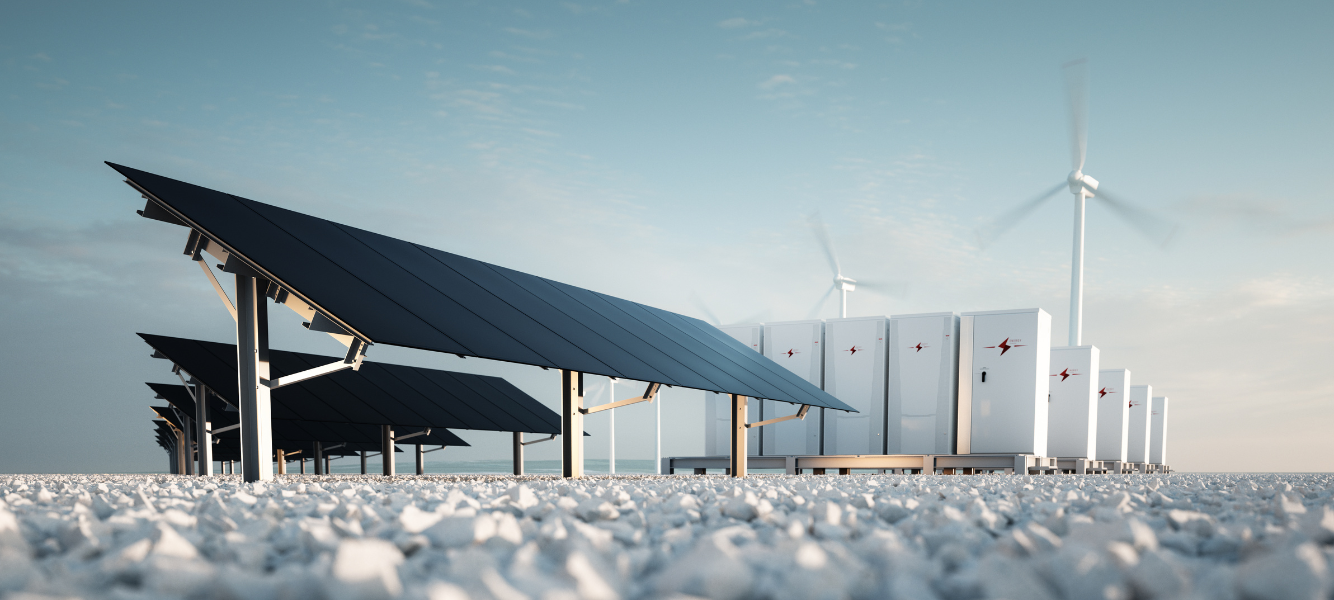
Energy storage is experiencing explosive growth.
The UK now has more than 6.8 GW of operational battery storage, a 509% increase since 2020, with another 6.5 GW currently under construction, according to RenewableUK’s EnergyPulse data.
This rapid expansion reflects the critical role batteries play in balancing a renewables-heavy grid. For employers, this means scaling up teams for battery installation, energy management systems (EMS), and trading operations.
Roles such as storage engineers, flexibility market analysts, and EMS specialists will be in exceptionally high demand throughout 2026.
Nuclear is at a pivot point.
Hinkley Point C has approximately 12,000 workers on site, with plans to reach 15,000, plus another 8,000 in the supply chain across more than 4,000 UK businesses, according to EDF Energy.
The project is moving towards first power in 2027, making 2026 a critical construction year. Simultaneously, Rolls-Royce SMR has been selected to build the UK’s first three small modular reactors, a programme expected to support around 3,000 new skilled jobs when fully deployed in the mid-2030s.
Life extensions at Heysham 1 and Hartlepool, now running until March 2028, have secured over 1,000 jobs and provide additional zero-carbon power, according to World Nuclear News.
Nuclear hiring in 2026 will be intense, spanning construction specialists, nuclear engineers, safety case authors, and project managers.
Conventional power continues to evolve.
Coal is effectively gone, and gas generation in the UK dropped to its lowest level since 1996 in 2024, as reported by Riviera Maritime Media.
Gas plants now operate primarily as flexible backup, running fewer hours but with more frequent start-stop cycles. This shift demands multi-skilled operators and maintenance engineers capable of managing automation and real-time grid coordination.
Employers in conventional power will increasingly seek staff who can work across gas, storage, and potentially carbon capture projects as the sector transitions.
Grid Constraints and Infrastructure Reforms in 2026
Grid connection queues have become one of the most pressing constraints facing the UK energy sector.
Before reforms in late 2025, the connection queue had reached approximately 722 GW of projects awaiting grid access, according to Energy-storage.news.
The National Grid ESO prioritised 283 GW of projects for connection by 2035, with 132 GW expected to connect before 2030. However, this also meant that around 153 GW of proposed battery storage projects were effectively deferred beyond 2035, as the same analysis notes.
In response, network operators are accelerating grid upgrades, substation builds, and interconnector projects.
For the workforce, this creates substantial demand for power system engineers, grid connection planners, and HV specialists. Developers are also increasingly co-locating storage with generation assets to maximise grid access and output, creating hybrid roles that combine traditional electrical engineering with new storage expertise.
The government’s 2025 Flexibility Roadmap targets 25 to 45 GW of demand-side flexibility by 2030, primarily through smart EV charging, vehicle-to-grid technology, heat pumps, and batteries, as outlined in analysis from The Energyst.
This opens entirely new career paths in aggregation, virtual power plant operations, and energy trading.
Technology, AI and Digital Operations in UK Energy 2026
Digitalisation and AI are moving from pilot programmes to mainstream operations across the UK energy sector.
Offshore wind operators are deploying AI-driven predictive maintenance to extend asset life and reduce downtime, with some estimates suggesting that up to 80% of lost wind energy can be attributed to blade maintenance issues that AI can help detect and prevent, according to an AI expert quoted by 4C Offshore.
Many UK offshore wind farms are now reaching their 20-year design life, and operators are using advanced analytics and digital twins to safely extend their operational lifespan rather than decommission prematurely.
Grid operators are also leveraging automation and AI forecasting to balance increasingly complex, renewables-heavy systems. Drones, sensors, and remote monitoring are becoming standard tools for inspecting turbines, solar arrays, and nuclear facilities.
For the workforce, this means job profiles are evolving rapidly. Engineers and technicians increasingly need to be data-savvy, comfortable with dashboards, analytics platforms, and automation software. New roles such as renewable asset performance analysts, drone inspection pilots, and digital operations specialists are growing quickly.
Employers who invest in upskilling their existing teams in IT and operational technology convergence will have a competitive advantage in 2026.
Labour Market, Skills Shortages and Salary Trends in 2026
The UK energy sector is facing one of the tightest labour markets in decades.
Over 55,000 people now work in UK wind alone, including approximately 40,000 in offshore wind and 15,000 in onshore wind, according to RenewableUK.
If the UK meets its 2030 targets, this workforce could more than double to over 112,000. Similar growth trajectories are playing out across solar, storage, and nuclear, creating fierce competition for skilled professionals.
Specific skill shortages have been identified in critical roles including high-voltage cable specialists, wind turbine technicians, environmental advisors, installation engineers, planning officers, and technical managers, again highlighted by RenewableUK.
Employers are responding with sustained wage increases.
Approximately 61% of clean energy firms have raised salaries every year since 2023, and nearly half of renewable energy professionals secured a pay rise in 2025, with 73% expecting another within a year, according to Astute’s Renewable Energy Salary Guide 2025.
Renewables salaries now rival or exceed traditional oil and gas rates for many roles, as companies entering the green energy space have brought top-tier pay packages that have effectively closed the historic 15% pay gap, as outlined in Astute’s salary guide.
International competition adds further pressure.
Under the US Inflation Reduction Act, renewable energy salaries in America can be approximately 40% higher than European equivalents in some roles, creating a real risk of brain drain as UK professionals are lured by higher-paying opportunities abroad, according to Gas Outlook analysis.
For candidates, 2026 represents an exceptional opportunity.
Skilled professionals can choose between permanent roles offering training, progression, and stability, or lucrative contract positions with premium day rates, particularly on construction projects or international assignments.
Cross-sector movement is a defining feature of the market, with experienced offshore oil and gas engineers transitioning to offshore wind, ex-military technicians retraining for turbine maintenance, and fossil plant operators moving into biomass or hydrogen-ready facilities.
Companies that actively facilitate these transitions and invest in upskilling programmes will gain access to valuable talent pools that competitors overlook.
What the UK Energy Sector in 2026 Means for Hiring and Careers
Looking beyond the immediate horizon, 2026 will set the trajectory for the remainder of the decade.
The projects commissioned, the workforce trained, and the infrastructure built in 2026 will directly determine whether the UK meets its 2030 clean power targets. For organisations, this means recruitment planning cannot wait.
The competition for talent is already intense and will only increase as multiple sectors (renewables, nuclear, grid infrastructure) ramp up simultaneously.
Starting recruitment early, considering candidates with transferable skills, offering clear career progression, and benchmarking salaries against market rates will be essential strategies.
For energy professionals, the opportunities have rarely been stronger. Whether you are an experienced project manager looking to lead major infrastructure delivery, a technician seeking to specialise in emerging technologies like BESS or SMRs, or a graduate choosing your career path, the UK energy sector in 2026 offers diverse, well-paid, and meaningful work.
The transition to clean power is not just an engineering challenge but a generational opportunity to build the energy system that will power the UK for decades to come.
At Astute, we work with leading employers across conventional power, renewables, and nuclear to identify and secure the specialist talent these ambitious projects require.
If you’re planning your 2026 hiring strategy or exploring your next career move in the energy sector, we can help.
Get in touch with our team or upload your CV to discover the opportunities available across the UK’s rapidly expanding energy infrastructure.