

The global push for greater energy efficiency and reduced carbon emissions has placed the Combined Heat and Power (CHP) industry at the forefront of sustainable power generation.
Central to this sector’s success is the CHP Engineer, a highly specialised professional responsible for maintaining the complex systems that simultaneously generate electricity and useful heat.
This deep dive explores the vital role, qualifications, and surging demand for CHP Engineers in the power generation landscape.
What is a CHP Engineer?
A CHP Engineer is a specialised mechanical or electrical engineer primarily focused on the design, installation, commissioning, maintenance, and fault-finding of Combined Heat and Power (also known as Cogeneration) systems.
In power generation, a CHP system uses a single fuel source (like natural gas, biogas, or biomass) to produce two forms of usable energy: electricity and thermal energy (like steam or hot water) at the same time.
Traditional power generation is relatively inefficient, with approximately 60–65% of the fuel energy wasted as rejected heat.
In contrast, CHP systems are designed to capture and utilise this otherwise wasted heat, achieving impressive overall efficiencies that often exceed 80%—a significant improvement over the combined efficiency of conventional power generation and an on-site boiler (typically around 50–55%).
Key Responsibilities in Power Generation:
-
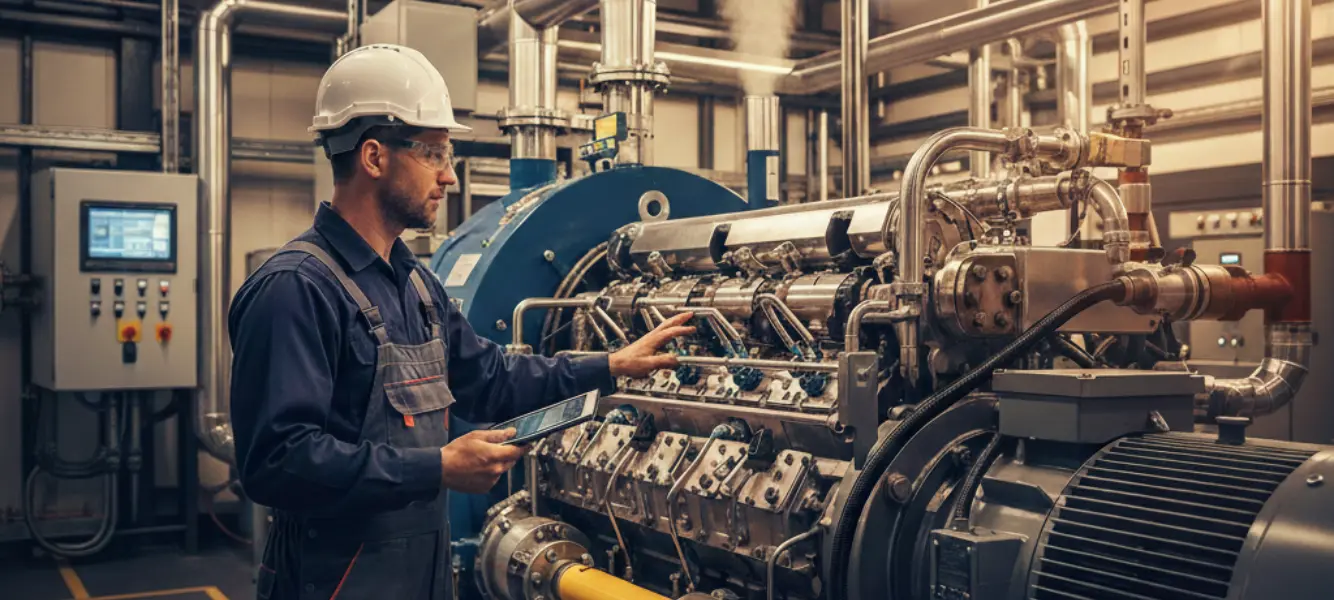
Routine Servicing & Maintenance (PPM): Conducting planned preventative maintenance on all system components, including gas engines (reciprocating or turbines), generators, heat recovery units, and associated pipework/valves.
-
Reactive Maintenance & Diagnostics: Responding to emergency breakdowns, diagnosing complex mechanical and electrical faults, and implementing timely repairs to ensure maximum uptime.
-
Commissioning: Bringing new or refurbished CHP units online, ensuring they operate safely and efficiently according to design specifications.
-
System Overhaul: Performing extensive strip-downs and rebuilds of major reciprocating generating assets (e.g., MWM, CATCG, MTU engines).
-
Compliance: Ensuring all operations adhere to strict health, safety, and environmental regulations, including gas and electrical safety standards.
-
Control Systems: Working with Building Management Systems (BMS) and specialised engine control software (e.g., Comap) to monitor and optimise performance.
What Typical Qualifications Does a CHP Engineer Require?
The role of a CHP Engineer demands a robust blend of mechanical, electrical, and control systems expertise. While specific requirements vary by company and seniority, the general pathway is highly specialised and technical.
Core Academic Qualifications:
-
Engineering Qualification: A recognised qualification such as an NVQ, HNC, HND, or Degree in Mechanical Engineering, Electrical Engineering, or a related discipline.
-
Trade Certification: For hands-on roles, a relevant trade apprenticeship or time-served experience is often accepted in place of higher academic qualifications.
Essential Certifications & Experience:
| Area of Expertise | Essential Qualification/Experience | Why it’s Critical |
| Combustion Engines | Extensive experience with large gas engines, particularly manufacturers like MWM, CATCG, MTU, or Jenbacher. | CHP systems rely on these engines to drive the generator; expertise in overhauls and diagnostics is paramount. |
| Gas Safety | Gas Safe Registration (Commercial and/or Domestic). | Essential for working on the fuel supply side of natural gas or biogas CHP units to ensure safety and compliance. |
| Mechanical Skills | Proven knowledge of mechanical maintenance, including pumps, motors, heat exchangers, and associated pipework. | Required for the heat recovery aspect of the system (hot water/steam circuits). |
| Electrical Skills | Strong electrical fault-finding experience, including knowledge of AC/DC control panels, switchgear, and LV power distribution. | Needed for the electricity generation and grid synchronisation aspects. |
| Driving | A Full UK Driving Licence. | Most CHP Engineer roles are field-based, requiring travel to multiple client sites (hospitals, universities, industrial facilities, etc.). |
Many employers also offer and require specific manufacturer-led training on their particular engine sets (e.g., MAN, Liebherr, MTU) to ensure the engineer can perform maintenance to warranty standards.
Why are CHP Engineers in High Demand?
The high demand for CHP Engineers is directly linked to the technology’s inherent economic, environmental, and resilience benefits in the context of the global energy transition.
1. The Energy Efficiency Imperative (ESG Focus)
CHP technology is a powerful tool for energy-intensive businesses looking to meet Environmental, Social, and Governance (ESG) targets.
-
High Efficiency: By utilising waste heat, CHP systems can save end-users up to 40% of the primary energy that would otherwise be consumed by buying electricity from the grid and running a separate boiler.
-
Reduced Emissions: Due to increased efficiency, CHP can reduce carbon emissions by up to 30% compared to separate conventional generation means. As more industrial and commercial sites adopt CHP to reduce operational costs and carbon footprints, the requirement for specialists to install and maintain these systems grows proportionally.
2. Energy Security and Resilience
The distributed nature of CHP systems enhances power security for critical infrastructure.
-
Localised Power: CHP units are often installed on-site, acting as captive power plants.
-
Grid Independence: With the capability for ‘island mode’ operation, a CHP system can continue to supply power and heat to a site during a grid outage. Facilities like hospitals, universities, data centres, and manufacturing plants prioritise this resilience, driving demand for engineers who can ensure these critical systems are operational 24/7. This often necessitates a flexible engineer who can participate in an on-call rota.
3. Transition to Decarbonisation and New Fuels
While often currently running on natural gas, CHP technology is seen as a crucial “bridging solution” toward net-zero emissions.
-
Biogas and Biofuel: An increasing number of CHP units are adapted to run on renewable fuels like biogas (from anaerobic digestion) and biomethane.
-
Hydrogen Readiness: The development of hydrogen-ready CHP plants further solidifies the technology’s future role.
The shift to these alternative fuels requires engineers who are not only familiar with traditional gas engines but also possess the evolving skills needed to manage, maintain, and commission these new fuel-flexible CHP assets, creating a growing skills gap and boosting demand for experienced professionals.
In conclusion, the CHP Engineer is far more than a maintenance technician; they are a critical enabler of energy efficiency and resilience.
Their deep, multifaceted expertise in combustion engines, electrical systems, and thermal recovery is indispensable, ensuring the power generation sector can meet the dual challenges of reducing carbon emissions and maintaining operational security.